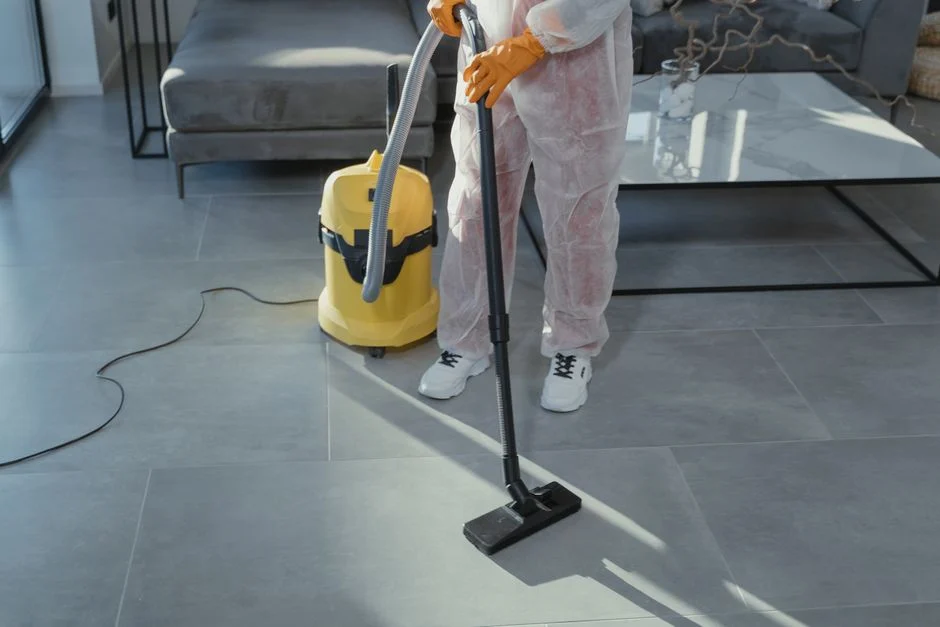
Water Extraction and Removal
Standing water from a burst pipe, overflow or storm needs to come out fast. Restoration crews use pumps and truck-mounted extractors to remove it before it soaks deeper into floors and walls.
Water extraction is the first hands-on step of water damage restoration: removing standing and soaked-in water with pumps, truck-mounted extractors and weighted extraction tools. Pulling water out as liquid is far faster than drying it out as vapor, so good extraction shortens drying time and saves more materials.
If water is standing on floors or squishing out of carpet, call for extraction now. Every hour it sits, more water wicks into drywall, baseboards and the subfloor.
What water extraction involves
- Submersible pumps for deep water in basements and crawl spaces.
- Truck-mounted and portable extractors that pull water out of carpet, pad, tile and grout.
- Weighted extraction tools that press water out of carpet and pad so less is left to dry.
- Moisture meters and thermal cameras to find water that spread under flooring and behind walls.
Can carpet and pad be saved?
It depends on the water category. Carpet soaked with clean water from a supply line can often be extracted and dried in place. Pad is cheaper and holds more water, so it is often replaced. Carpet and pad soaked with sewage or floodwater (Category 3) are removed and thrown away.
How the work is done
- The source is stopped and power to wet areas is checked.
- The crew classifies the water and maps how far it spread.
- Standing water is pumped and extracted, starting with the deepest areas.
- Wet items that cannot be saved are removed and documented for insurance.
- Structural drying starts right after extraction.
Related services
Extraction is usually followed by structural drying. Basement jobs often need basement flood cleanup, and contaminated water needs sewage cleanup.
Need help right now?
Call or send the form. Your request goes to an independent local restoration company that serves your area, and they contact you to set up an inspection and a written estimate.
Call now(940) 274-9880- Free to call or request an estimate
- Independent local restoration companies
- Water removal, drying, mold and repairs
- Photos and drying logs you can share with your insurer
Request a free estimate
Takes about a minute. No cost to request.
Blue Star Water Damage is a free information and referral service, not a restoration contractor. Calls and estimate requests are connected to independent restoration companies that serve your area. Those companies set their own prices and do the work.
From first call to finished repairs
The restoration industry follows the IICRC S500 standard for water damage. Here is what that looks like in plain words.
- 01
Call
Tell us what happened and where. We connect you with an available local restoration company that serves your ZIP code.
- 02
Inspect
The crew stops the source, checks for electrical hazards, classifies the water and maps how far moisture has spread with meters and thermal imaging.
- 03
Mitigate
Standing water is extracted, ruined materials are removed and drying equipment is set up. Moisture readings are logged every day.
- 04
Restore
Once materials hit their dry goal, repairs begin: drywall, flooring, paint and anything else the water took out.
- 1First hours
Stop and protect
Water shut off, power checked, valuables moved, photos taken.
- 2Hour 2 to 8
Extract
Pumps and extractors remove standing water from floors and carpet.
- 3Day 1 to 4
Dry and monitor
Air movers and dehumidifiers run while moisture is checked daily.
- 4Day 4 and on
Rebuild
Drywall, floors and finishes are repaired after the dry goal is met.
Where we connect homeowners
Local pages with area facts, common causes and local conditions.
Common questions
How fast should water be extracted?
As soon as possible. The EPA advises drying wet materials within 24 to 48 hours to prevent mold, and drying cannot start until standing water is removed.
Can I use a shop vac?
A wet vacuum helps with small clean spills on hard floors. It cannot pull water out of carpet pad, subfloors or wall cavities, and it is not safe for sewage.
Does insurance pay for water extraction?
When the water damage itself is covered, emergency extraction is usually part of the claim. Keep photos and the crew invoice for your adjuster.
How long does extraction take?
Most single-room jobs take a few hours. Large or deep water losses can take a full day before drying equipment goes in.