Flood Damage Cleanup
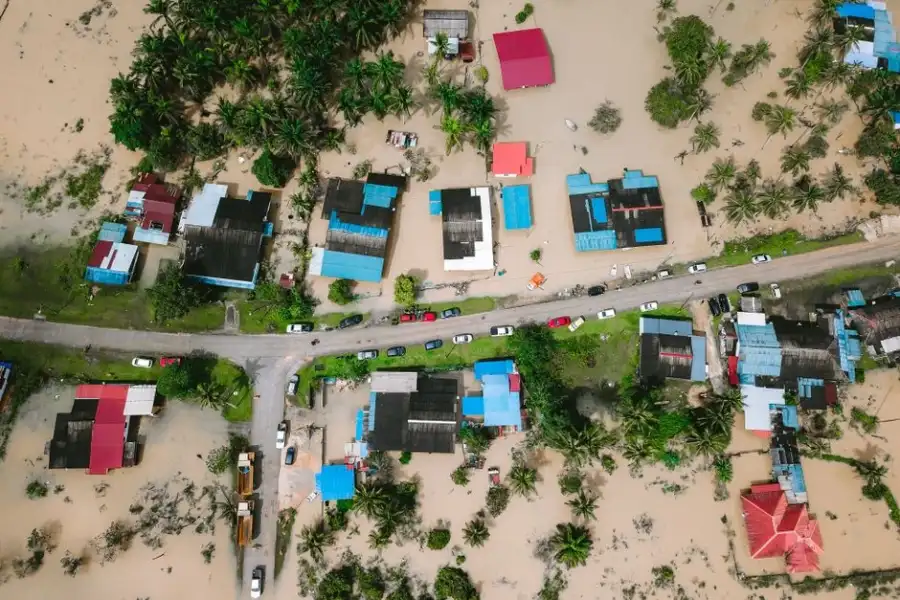
Floodwater from storms, rivers and surface runoff carries bacteria and debris. Flood cleanup removes the water, tears out what cannot be saved, sanitizes and dries the structure.
Flood damage cleanup is the removal of outside floodwater, mud and debris from a home or business, followed by removal of contaminated materials, sanitizing and drying. Floodwater is treated as Category 3 black water under the IICRC S500 standard because it can carry sewage, chemicals and bacteria.
Wait until officials say it is safe to return, then document everything and start cleanup fast. Porous materials touched by floodwater, such as carpet, pad, insulation and lower drywall, are usually removed.
What flood cleanup includes
- Pumping out standing water and shoveling out mud and silt.
- Removing soaked carpet, pad, insulation and drywall up to a flood cut above the water line.
- Cleaning and disinfecting framing, slabs and hard surfaces.
- Structural drying with air movers and dehumidifiers.
- Mold checks before rebuilding.
Safety after a flood
Flood insurance
Standard homeowners policies usually exclude flooding from outside water. Flood damage is normally covered only by a separate flood policy, such as one through the National Flood Insurance Program. Read our insurance claims guide to see how to document a flood loss.
Need help right now?
Call or send the form. Your request goes to an independent local restoration company that serves your area, and they contact you to set up an inspection and a written estimate.
Call now(940) 274-9880- Free to call or request an estimate
- Independent local restoration companies
- Water removal, drying, mold and repairs
- Photos and drying logs you can share with your insurer
Request a free estimate
Takes about a minute. No cost to request.
Blue Star Water Damage is a free information and referral service, not a restoration contractor. Calls and estimate requests are connected to independent restoration companies that serve your area. Those companies set their own prices and do the work.
From first call to finished repairs
The restoration industry follows the IICRC S500 standard for water damage. Here is what that looks like in plain words.
- 01
Call
Tell us what happened and where. We connect you with an available local restoration company that serves your ZIP code.
- 02
Inspect
The crew stops the source, checks for electrical hazards, classifies the water and maps how far moisture has spread with meters and thermal imaging.
- 03
Mitigate
Standing water is extracted, ruined materials are removed and drying equipment is set up. Moisture readings are logged every day.
- 04
Restore
Once materials hit their dry goal, repairs begin: drywall, flooring, paint and anything else the water took out.
- 1First hours
Stop and protect
Water shut off, power checked, valuables moved, photos taken.
- 2Hour 2 to 8
Extract
Pumps and extractors remove standing water from floors and carpet.
- 3Day 1 to 4
Dry and monitor
Air movers and dehumidifiers run while moisture is checked daily.
- 4Day 4 and on
Rebuild
Drywall, floors and finishes are repaired after the dry goal is met.
Where we connect homeowners
Local pages with area facts, common causes and local conditions.
Common questions
Is floodwater dangerous?
Yes. Floodwater is treated as contaminated black water. It can carry sewage, chemicals, sharp debris and bacteria, so wear protective gear and keep children and pets away.
Can drywall be saved after a flood?
Drywall soaked by floodwater is usually cut out at least 12 inches above the water line and replaced, because it cannot be reliably sanitized.
Does homeowners insurance cover floods?
Usually not. Damage from outside rising water is normally covered only by a separate flood insurance policy.
How soon should flood cleanup start?
As soon as it is safe to return. Mold can start growing on wet materials within 24 to 48 hours.