01 / Emergency
Water Extraction and Removal
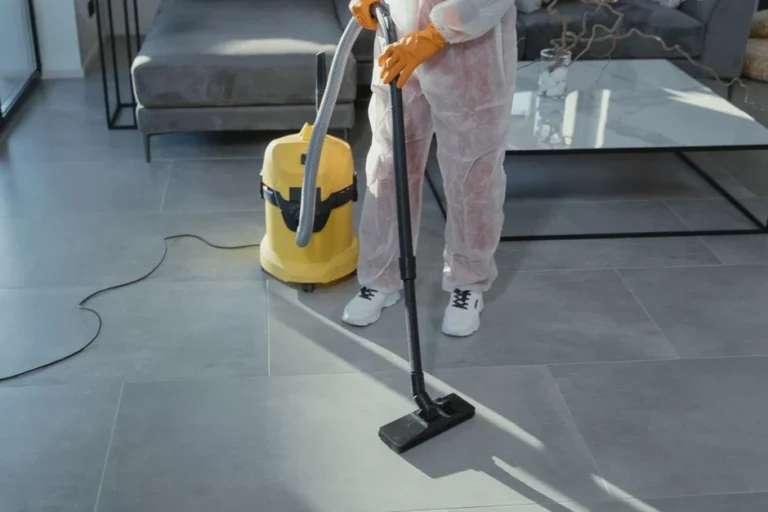
Pumps and truck-mounted extractors pull standing water out of floors, carpet and pad fast.
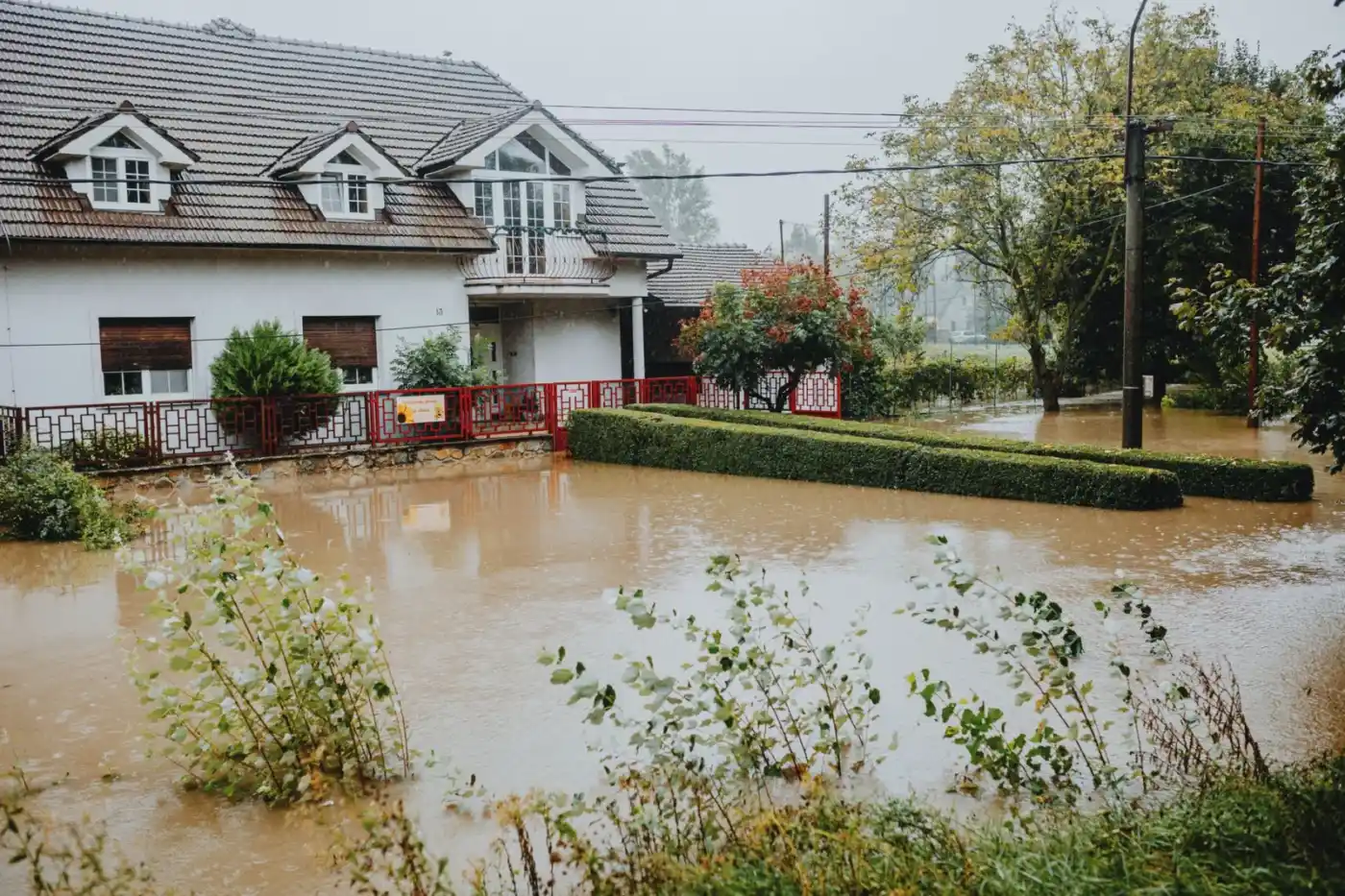
Burst pipe, flooded basement, roof leak or sewage backup? Call or request a free estimate. We connect you with an independent restoration company that can extract the water, dry your home and help with the insurance claim.
Water damage restoration means stopping the water, pulling it out, drying the building to a measured dry standard and then repairing what was lost. The first 24 to 48 hours matter most, because the EPA says wet materials dried in that window are much less likely to grow mold. Call or request an estimate and we connect you with an independent local restoration company.
Blue Star Water Damage is a free referral service for homeowners, renters, landlords and businesses across the United States. One call or one estimate request connects you with an independent water damage restoration company that serves your ZIP code. That company inspects the property, explains the scope and gives you a written estimate before work starts.
Restoration covers more than mopping up. Crews find hidden moisture inside walls and under floors, remove what cannot be saved, dry the structure with commercial equipment and then repair drywall, flooring and finishes. The steps below show what each part of the job looks like, so you know what to expect when the crew arrives.
Call or send the form. Your request goes to an independent local restoration company that serves your area, and they contact you to set up an inspection and a written estimate.
Call now(940) 274-9880Takes about a minute. No cost to request.
Blue Star Water Damage is a free information and referral service, not a restoration contractor. Calls and estimate requests are connected to independent restoration companies that serve your area. Those companies set their own prices and do the work.
Every water problem is different. A burst supply line is clean water, a sewage backup is not, and a slow leak inside a wall needs detective work before anyone cuts drywall. Pick the service that fits your situation, or just call and describe what you see.
Pumps and truck-mounted extractors pull standing water out of floors, carpet and pad fast.
Air movers and dehumidifiers dry walls, subfloors and cabinets to a measured dry standard.
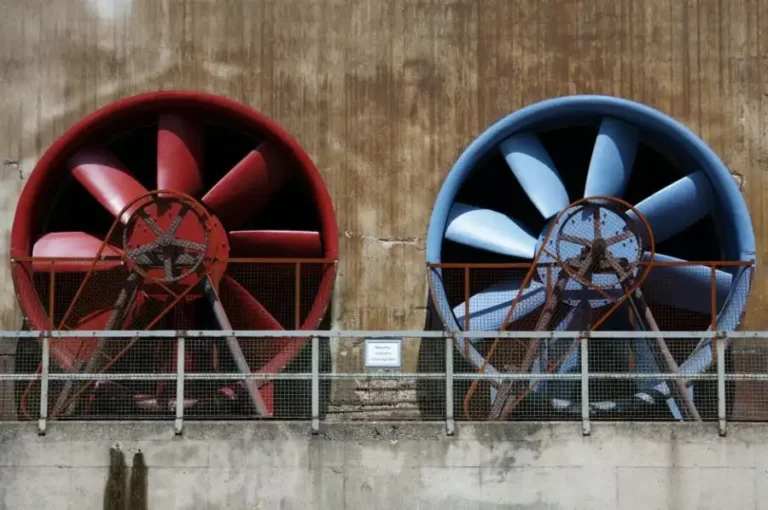
Cleanup after storms, river flooding and surface water, which is treated as contaminated water.
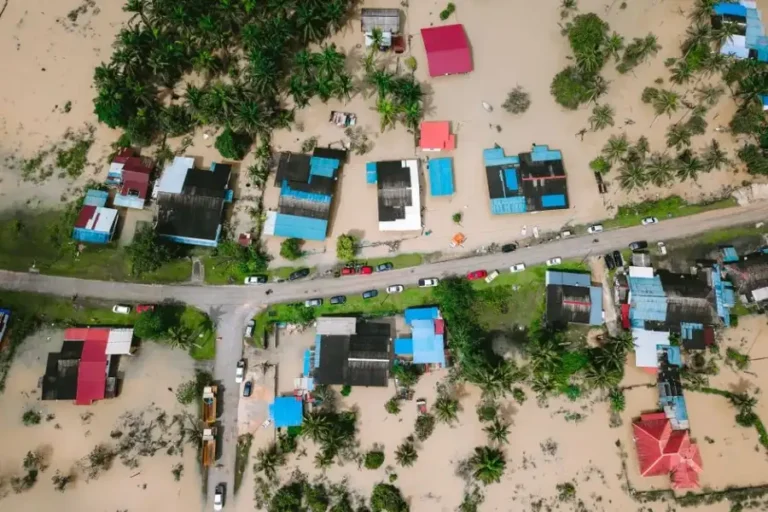
Fast extraction and drying after a burst or leaking supply line, frozen pipe or failed fitting.
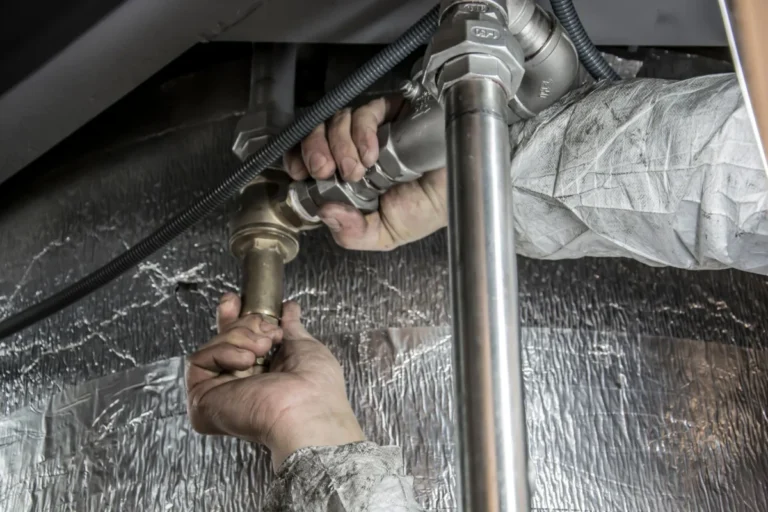
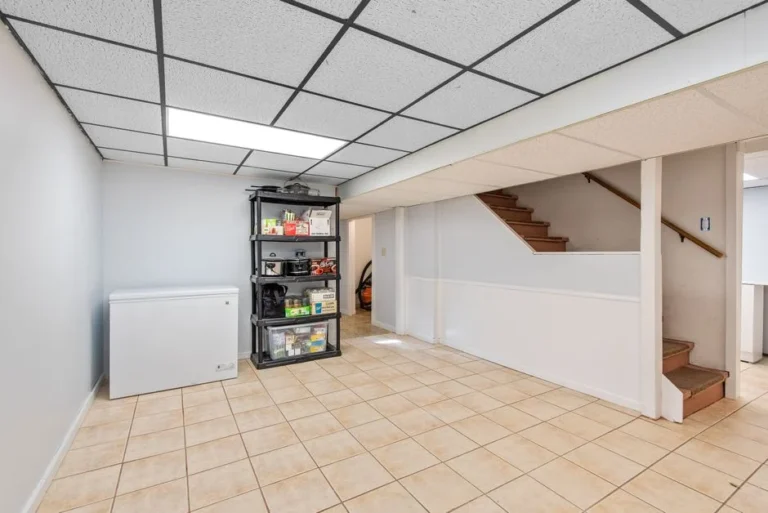
Pumping, drying and sanitizing flooded basements, crawl spaces and lower levels.
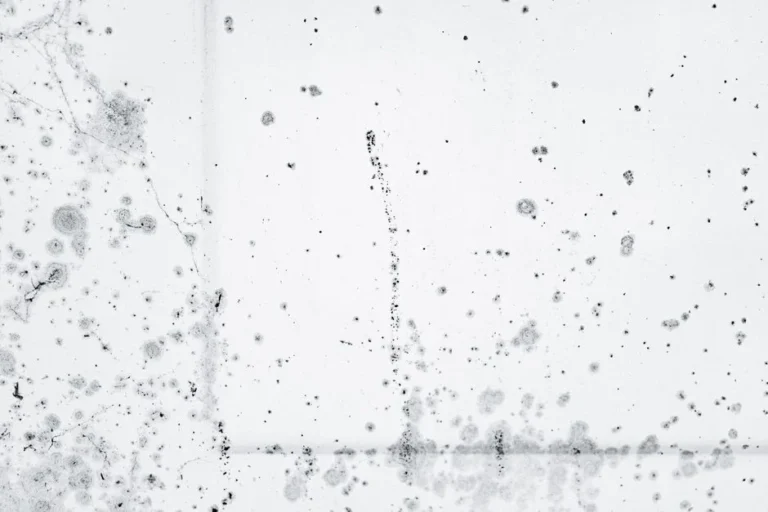
Containment, removal and cleaning of mold that grows after materials stay wet too long.
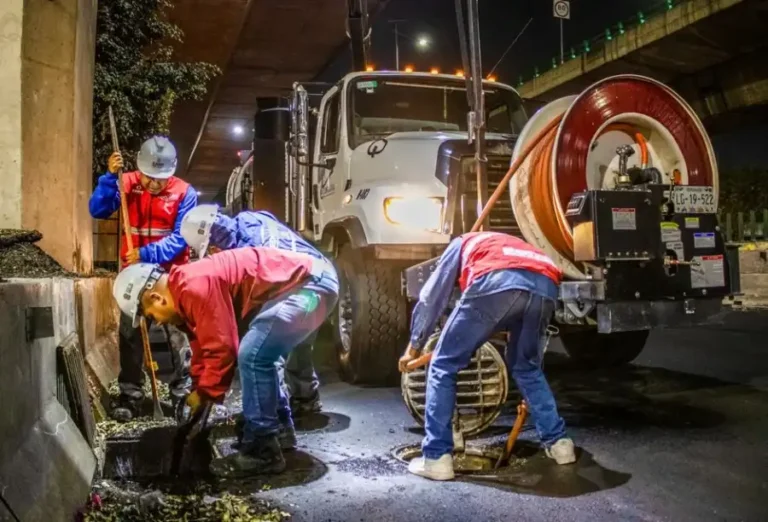
Safe removal of black water, disposal of porous materials and full sanitizing.
Drying and repair of stained, sagging or wet ceilings from roof, attic and upstairs leaks.
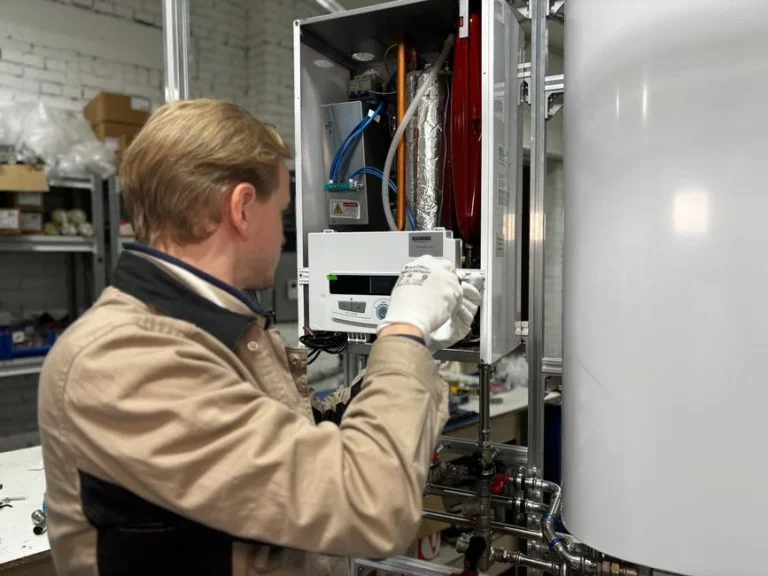
Cleanup after water heaters, washers, dishwashers, ice makers and AC drain lines leak.
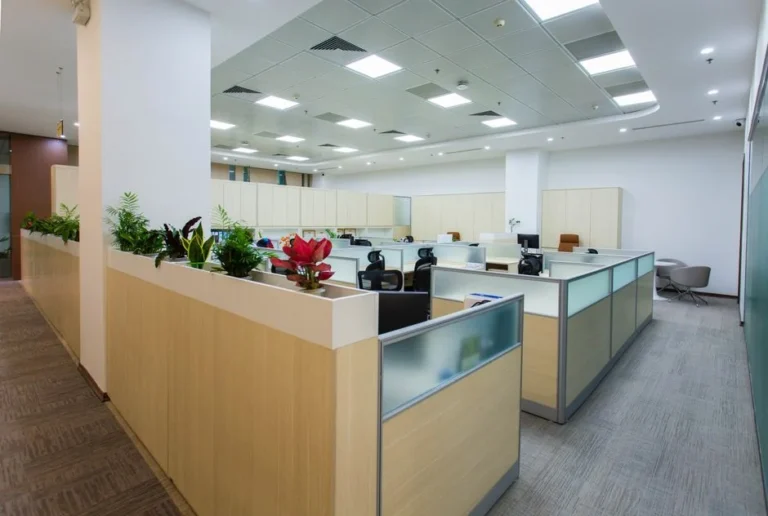
Drying plans for offices, retail, restaurants and multi-unit buildings that limit downtime.
Most water damage calls trace back to a short list of sources. Knowing the source tells the crew what kind of water they are dealing with.
Two leaks that look the same can need very different work. A good crew checks these before the first fan is placed.
Clean water from a supply line is handled very differently from sewage or floodwater, which need removal of porous materials.
Drywall, carpet pad and particle board soak up water fast. Hardwood, plaster and concrete hold it longer and dry slower.
Water that sat for days has wicked higher, swollen materials and may have started mold growth.
Humid summers slow drying and speed mold, while winter freezes cause burst pipes and ice dams.
Older homes can have galvanized pipes, plaster walls and materials that need testing before demolition.
Photos, moisture logs and drying records help an adjuster approve the claim without delays.
The EPA advises drying wet building materials within 24 to 48 hours to prevent mold growth. After that window, drywall, carpet pad and wood framing hold more water, swell and start to grow mold, so jobs that start late need more demolition and cost more.
The restoration industry follows the IICRC S500 standard for water damage. Here is what that looks like in plain words.
Tell us what happened and where. We connect you with an available local restoration company that serves your ZIP code.
The crew stops the source, checks for electrical hazards, classifies the water and maps how far moisture has spread with meters and thermal imaging.
Standing water is extracted, ruined materials are removed and drying equipment is set up. Moisture readings are logged every day.
Once materials hit their dry goal, repairs begin: drywall, flooring, paint and anything else the water took out.
Water shut off, power checked, valuables moved, photos taken.
Pumps and extractors remove standing water from floors and carpet.
Air movers and dehumidifiers run while moisture is checked daily.
Drywall, floors and finishes are repaired after the dry goal is met.
The IICRC S500 standard sorts water by how dirty it is (category) and by how much drying the job needs (class). Both change the equipment, the materials that must go and the price.
From a supply line, faucet or ice maker. Lowest risk if it is dried fast, but it turns into Category 2 if it sits.
From a washer, dishwasher or toilet overflow without waste. It carries contaminants, so carpet pad usually has to go.
Sewage, floodwater and long-standing water. Porous materials are removed and everything is sanitized.
| Class | What it means | Typical example |
|---|---|---|
| Class 1 | Small area, little water absorbed | A dishwasher leak caught early on a tile floor |
| Class 2 | A whole room, water wicked up walls under 24 inches | A burst supply line under a kitchen sink |
| Class 3 | Water came from above and soaked ceilings, walls and floors | An upstairs bathroom or roof leak |
| Class 4 | Dense materials that hold water and dry slowly | Hardwood floors, concrete, plaster or brick |
Most homeowners policies cover water damage that is sudden and accidental. They usually exclude damage from slow leaks, poor upkeep and outside flooding, which needs a separate flood policy.
General information only, not insurance or legal advice. Your policy wording decides coverage, so check it or ask your agent. Read the water damage insurance claims guide.
| Situation | Usually covered? |
|---|---|
| Burst or frozen pipe | Often yes, if sudden and the home was kept heated |
| Water heater or appliance failure | Often yes for the water damage, not the appliance itself |
| Slow leak over weeks or months | Usually no |
| Storm damage to the roof letting rain in | Often yes |
| Outside flooding or rising water | No, needs flood insurance |
| Sewer or drain backup | Only with a backup endorsement |
Tick each step as you go. These protect your safety, your belongings and your insurance claim.
From a leaking dishwasher to a flooded basement, get a crew to extract, dry and repair.
Protect your belongings, tell your landlord in writing and check your renters policy for contents coverage.
Fast response for units, shared walls and common areas, with moisture logs for owners and insurers.
Offices, retail and restaurants get drying plans built around opening hours to limit downtime.
Pick your city for local information, or call and we route you to a company that serves your ZIP code.
Drying usually takes about 3 to 5 days with commercial air movers and dehumidifiers. Hardwood, concrete and plaster take longer. Repairs to drywall, flooring and cabinets add days to weeks after drying ends.
Small clean water spills on hard floors can be handled with towels, a wet vacuum and fans. Water inside walls, under floors or under cabinets needs moisture meters and commercial drying equipment to find and remove. Sewage and floodwater need professional cleanup because they carry bacteria.
The EPA advises drying wet materials within 24 to 48 hours to prevent mold growth. Warm, humid conditions speed growth inside wall cavities that stay wet.
Most policies cover sudden and accidental water damage, such as a burst pipe or a failed appliance. Slow leaks, poor upkeep and outside flooding are usually excluded. Flood damage needs a separate flood policy.
Stop the water at the main shut-off valve and turn off power to wet rooms if the panel is dry. Take photos and video before moving anything. Then call to reach a local restoration company and notify your insurer.
No. Blue Star is a free referral service. Your call or form request goes to an independent local restoration company, and that company does the inspection, sets the price and performs the work.