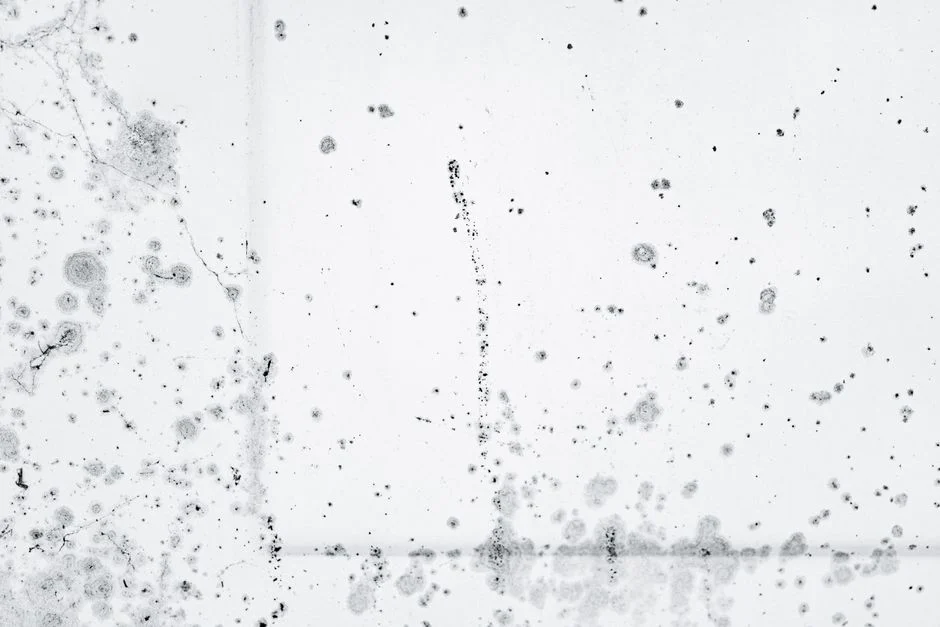
Mold Remediation
Mold grows on materials that stay wet too long. Remediation contains the area, removes moldy materials, cleans what can be saved and fixes the moisture that caused it.
Mold remediation is the process of containing, removing and cleaning mold growth indoors and fixing the moisture problem that let it grow. The EPA notes that the key to mold control is moisture control: if the water source is not fixed, mold comes back.
Small spots on hard surfaces can often be cleaned by a homeowner. The EPA suggests professional help when mold covers more than about 10 square feet, when it followed sewage or contaminated water, or when it is inside HVAC systems.
Signs you may have mold
- A musty smell that does not go away.
- Spots or staining on walls, ceilings, baseboards or under sinks.
- Peeling paint or bubbling drywall near a past leak.
- Ongoing condensation, high indoor humidity or a slow leak you could not find.
How remediation is done
- Find the moisture. The leak or humidity source is located and fixed.
- Contain the area. Plastic sheeting and negative air pressure keep spores from spreading.
- Remove damaged materials. Moldy drywall, insulation and carpet are bagged and removed.
- Clean what stays. Framing and hard surfaces are cleaned, often with HEPA vacuuming.
- Dry and verify. The area is dried and checked before rebuilding.
Mold after a covered water loss may be included in the claim, but many policies limit mold coverage. See the insurance guide. Fast structural drying is the best way to prevent mold in the first place.
Need help right now?
Call or send the form. Your request goes to an independent local restoration company that serves your area, and they contact you to set up an inspection and a written estimate.
Call now(940) 274-9880- Free to call or request an estimate
- Independent local restoration companies
- Water removal, drying, mold and repairs
- Photos and drying logs you can share with your insurer
Request a free estimate
Takes about a minute. No cost to request.
Blue Star Water Damage is a free information and referral service, not a restoration contractor. Calls and estimate requests are connected to independent restoration companies that serve your area. Those companies set their own prices and do the work.
From first call to finished repairs
The restoration industry follows the IICRC S500 standard for water damage. Here is what that looks like in plain words.
- 01
Call
Tell us what happened and where. We connect you with an available local restoration company that serves your ZIP code.
- 02
Inspect
The crew stops the source, checks for electrical hazards, classifies the water and maps how far moisture has spread with meters and thermal imaging.
- 03
Mitigate
Standing water is extracted, ruined materials are removed and drying equipment is set up. Moisture readings are logged every day.
- 04
Restore
Once materials hit their dry goal, repairs begin: drywall, flooring, paint and anything else the water took out.
- 1First hours
Stop and protect
Water shut off, power checked, valuables moved, photos taken.
- 2Hour 2 to 8
Extract
Pumps and extractors remove standing water from floors and carpet.
- 3Day 1 to 4
Dry and monitor
Air movers and dehumidifiers run while moisture is checked daily.
- 4Day 4 and on
Rebuild
Drywall, floors and finishes are repaired after the dry goal is met.
Where we connect homeowners
Local pages with area facts, common causes and local conditions.
Common questions
How fast does mold grow after water damage?
The EPA advises drying wet materials within 24 to 48 hours to prevent mold growth. After that, mold can start growing on drywall, wood and carpet.
Can I remove mold myself?
Small areas on hard surfaces can often be cleaned with soap and water while wearing gloves and a mask. Larger areas, or mold after sewage or floodwater, are better handled by professionals.
Does bleach kill mold?
The EPA does not recommend bleach as a routine way to clean mold. Removing moldy porous materials and fixing the moisture source matter more.
Is mold covered by insurance?
Sometimes, when it results from a covered sudden water loss. Many policies cap or exclude mold, so check your wording.